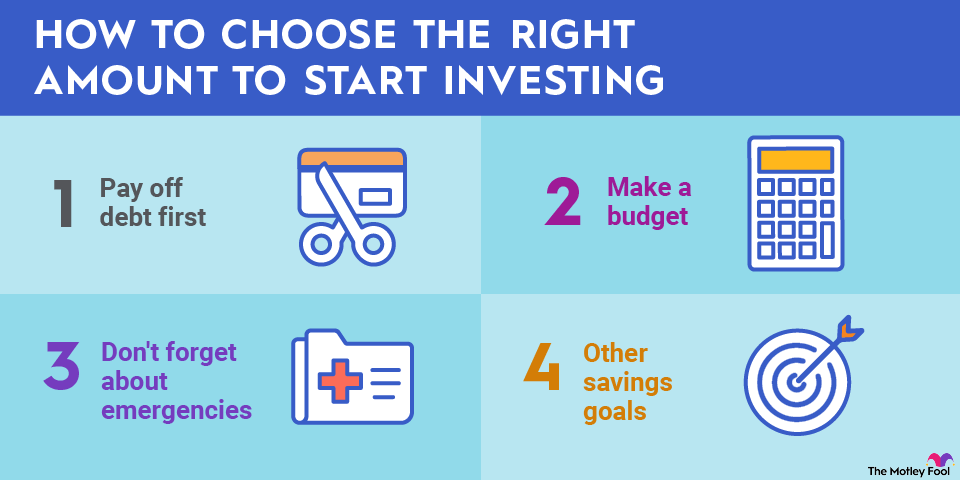
Investing in the USA doesn’t require Wall Street knowledge or big money. In 2026, beginners can start investing with $1–$100, automate everything, and build wealth quietly over time.
The real risk isn’t investing—it’s not investing and letting inflation eat your savings.
This beginner-friendly guide shows how to start investing in the USA (2026) with:
-
Simple steps
-
Low risk options
-
Real examples
-
Common mistakes to avoid
No hype. No day trading. Just boring strategies that actually work.
Step 1: Get Your Financial Base Right
Before investing, make sure you have:
-
✅ Emergency fund (3–6 months)
-
✅ High-interest debt under control
-
✅ Stable income
📌 Investing while drowning in 25% credit card debt is a losing game.
Step 2: Choose the Right Account Type
🏦 Tax-Advantaged Accounts (Best First)
-
401(k) – Employer plan (take the match first—free money)
-
Roth IRA / Traditional IRA – Tax benefits for long-term growth
Rules and limits are governed by the Internal Revenue Service.
📈 Taxable Brokerage Account
-
No contribution limits
-
Flexible withdrawals
-
Good after maxing tax-advantaged accounts
Step 3: Pick Beginner-Friendly Investments
🥇 Index Funds & ETFs (Best for Beginners)
Why they win:
-
Low fees
-
Instant diversification
-
Historically strong long-term returns
Popular examples:
-
S&P 500 index funds
-
Total stock market funds
-
International index funds
👉 This is how most millionaires actually invest.
🧾 Target-Date Funds (Set & Forget)
-
Auto-adjust risk as you age
-
Ideal if you want zero maintenance
❌ Avoid at the Start
-
Day trading
-
Meme stocks
-
Crypto speculation
-
“Hot tips”
Step 4: Simple Beginner Portfolio (2026)
Example (Age 25–40):
-
70% U.S. stock index
-
20% international stock index
-
10% bond fund
As you age, gradually increase bonds.
Step 5: Automate Everything
Set automatic investments:
-
Weekly or monthly
-
Same amount every time
This uses dollar-cost averaging, reducing timing risk.
How Much Should You Invest?
Start with:
-
10%–15% of income (ideal)
-
Even $50/month beats $0
Example:
-
$200/month @ 7% for 30 years ≈ $245,000+
Consistency > amount.
Investing vs Saving (Know the Difference)
| Goal | Best Tool |
|---|---|
| Emergency fund | High-yield savings |
| 1–3 years | Savings / money market |
| 5+ years | Investing |
| Retirement | IRA / 401(k) |
Risk: What Beginners Fear Most
Markets go up and down. That’s normal.
Historically:
-
Long-term U.S. market trend = up
-
Panic selling causes most losses
📌 Time in the market > timing the market.
Common Beginner Mistakes
❌ Waiting for “perfect time”
❌ Trying to beat the market
❌ Overtrading
❌ Ignoring fees
❌ Selling during crashes
The biggest enemy of returns is emotion.
2026 Market Reality (Context)
Markets are influenced by inflation trends and monetary policy guided by the Federal Reserve, but long-term investors don’t react to headlines—they stay invested.
Beginner FAQ
Q: Is investing safe?
👉 Short term = volatile, long term = historically rewarding.
Q: Can I lose everything?
👉 With diversified index funds, extremely unlikely unless the entire economy collapses.
Q: Do I need a financial advisor?
👉 Not at the start. Simple beats complex.
Final Thoughts (2026)
Investing success in the USA comes down to:
✔️ Start early
✔️ Keep it simple
✔️ Invest regularly
✔️ Stay calm
You don’t need luck. You need discipline.
The best day to start was years ago.
The second-best day is today.